
Choosing a web design agency in 2026 requires evaluating SEO integration, AI search optimisation capabilities, schema markup implementation, and technical performance standards. With 60% of Google searches ending without a click and 37% of consumers starting searches with AI tools, the agency you choose determines whether your business gets cited in AI-generated answers or stays invisible.
Most web design agencies still operate with an outdated playbook. They deliver visually attractive websites that look impressive in a portfolio but fail to generate organic traffic, leads, or revenue. They treat search engine optimisation as a separate service bolted on after the design is complete, rather than a core architectural requirement that should inform every decision from the first wireframe.
The shift to AI-powered search has made this gap critical. Google AI Overviews now appear in 88% of informational search queries. ChatGPT processes over a billion queries daily. Traditional SEO focused on ranking in ten blue links. AI search optimisation, also known as Generative Engine Optimisation (GEO), focuses on being selected as the trusted source that AI engines cite when generating answers. This requires entity optimisation, comprehensive JSON-LD schema markup, content structured for LLM parsing, and monitoring brand visibility across AI search platforms.
Research shows that content with clear structural formatting is 28–40% more likely to be cited by AI search engines than unstructured prose. Sites with comprehensive schema markup are cited 2–3x more frequently. 76.4% of ChatGPT’s most-cited pages were updated within 30 days. These are not theoretical concerns. They are measurable signals that directly determine whether your website gets found.
This guide covers what SEO-first web design means in practice, how AI search engines evaluate and select sources to cite, seven critical questions to ask any agency before hiring, red flags that indicate an agency is not equipped for modern search, and the differences between custom design and templates from an SEO and AI search perspective.
Why Do Most Websites Fail at Search?
Most websites fail at search because the agency that built them treated SEO as an afterthought rather than a core architectural requirement. A beautiful website that nobody can find is a failed investment. With 60% of Google searches now ending without a click due to AI-generated summaries, websites must be built for both traditional and AI search from day one.
Many agencies separate design from SEO entirely. They build the site first, then bolt on SEO as an afterthought, if they include it at all. This creates fundamental architectural problems that are expensive and time-consuming to fix later. Your agency should be thinking about search visibility from the very first wireframe, not as a phase two project that may or may not get budget.
What Does SEO-First Web Design Actually Mean?
SEO-first web design is a design philosophy where every architectural decision, from site structure and URL hierarchy to page speed and content layout, is made with search performance as a primary consideration alongside user experience. It is not about stuffing keywords into headings. It is about building a website that search engines and AI systems can efficiently crawl, understand, and cite.
How Does Site Architecture Affect Search Rankings?
A well-designed website uses a logical hierarchy that search engines can crawl efficiently. This means clean URL structures, strategic internal linking between related content, and a clear topical cluster model that establishes authority on the subjects most relevant to your business. Research from Semrush shows that Google AI Overviews now appear in 88% of informational search queries, making site architecture more important than ever for both traditional and AI search visibility.
For a deeper look at what goes wrong during builds and rebuilds, see 7 SEO Mistakes Your Web Designer Is Making.
Why Does Page Speed Matter for SEO and AI Search?
Page speed, Core Web Vitals, mobile responsiveness, and clean code are ranking factors for both Google and AI search engines. AI crawlers favour performant sites because fast page load times indicate well-maintained, high-quality sources. If your agency is delivering bloated themes with unnecessary plugins, render-blocking scripts, and unoptimised images, they are actively sabotaging your search performance. Ask any prospective agency about their Largest Contentful Paint targets and Cumulative Layout Shift scores.
How Should Content Be Structured for AI Search Engines?
Large language models parse content differently from traditional crawlers. They break content into semantic segments and evaluate each one against the user’s query. Research shows that 40–60 word answer blocks at the top of each section serve as citation targets, the exact text an AI system can extract when answering a related question. Your website needs proper heading hierarchies (H1 through H4), FAQ sections, short focused paragraphs, and question-based subheadings that mirror how users query AI tools.
How Is AI Search Changing Web Design Requirements?
AI search is fundamentally changing web design requirements because it shifts the goal from ranking in a list of links to being cited as a trusted source in AI-generated answers. Google AI Overviews, ChatGPT, Perplexity, and Gemini synthesise information from multiple sources and present generated answers. Your website must be structured so AI systems can understand, trust, and reference your content.
Google AI Overviews now appear in a significant and growing percentage of search results. ChatGPT processes over a billion queries daily. Studies show that 37% of consumers now start searches with AI tools rather than traditional search engines. If your agency is not actively building for this reality, your investment in a new website is already dated before it launches.
Learn what your agency should be doing in our guide to AI Search Optimisation for Business Websites.
What Do AI Search Engines Look For in a Website?
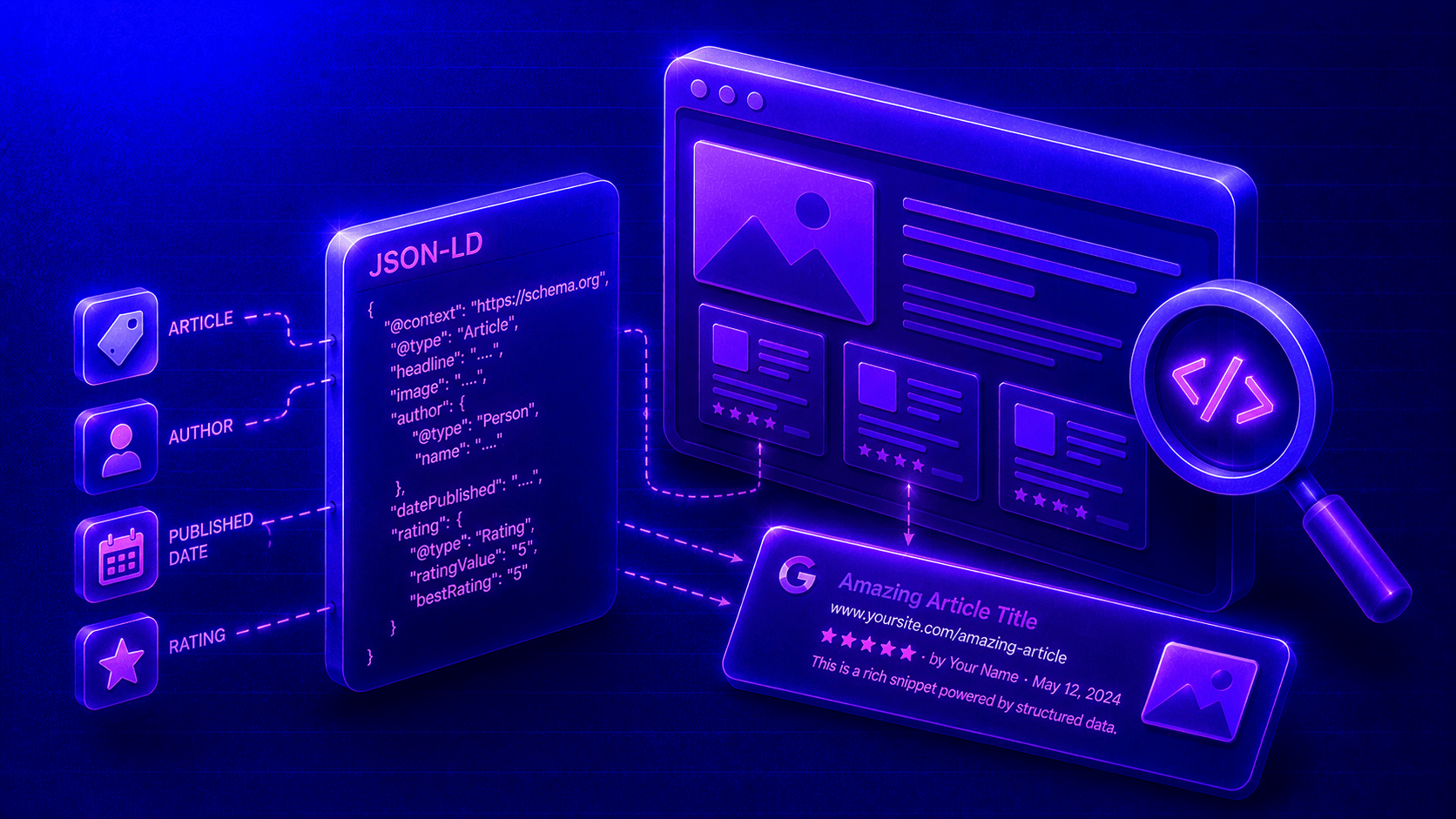
AI search engines prioritise content from sources that demonstrate clear entity identity, topical authority, and machine-readable structure. Your agency needs to implement comprehensive schema markup using JSON-LD format, including Organisation, LocalBusiness, Article, FAQ, and BreadcrumbList schemas. Both Google and Microsoft have confirmed that structured data helps their AI systems understand content. Sites with comprehensive schema markup are cited 2–3x more frequently by AI engines than equivalent sites without it.
For a full implementation guide, read Schema Markup and Structured Data: The Hidden Advantage Most Web Designers Ignore.
What Are the Seven Questions to Ask a Web Design Agency?
The seven essential questions to ask any web design agency before hiring them cover SEO integration in the design process, Core Web Vitals approach, schema markup implementation, AI search preparation, evidence of SEO results from previous projects, CMS recommendation rationale, and post-launch support plans. These questions separate capable agencies from those running outdated playbooks.
1. How do you integrate SEO into the design process, not after it? The answer should describe keyword research, site architecture planning, and content strategy happening before design begins. If SEO is described as a separate phase, that is a red flag.
2. What is your approach to Core Web Vitals and page speed? They should mention image optimisation pipelines, lazy loading, efficient code practices, and specific performance benchmarks they target.
3. Do you implement schema markup and structured data? In 2026, this is non-negotiable. Your agency should implement JSON-LD schema across your site, including Organisation, LocalBusiness, Article, FAQ, and BreadcrumbList schemas.
4. How are you preparing websites for AI search? They should discuss entity optimisation, content structure for LLM parsing, schema markup for AI citation, and monitoring brand visibility in AI-generated answers.
5. Can you show me SEO results from previous web design projects? Ask for ranking improvements, keyword visibility gains, conversion rate changes, and evidence of AI search citations.
6. What CMS do you recommend and why? They should explain their recommendation in terms of SEO capabilities, speed, and flexibility, not just their own preference.
7. What happens after launch? Ask about ongoing SEO monitoring, content strategy support, performance reporting, and technical maintenance for at least 90 days post-launch.
What Are the Red Flags When Choosing a Web Design Agency?
Red flags when choosing a web design agency include a portfolio focused on visual design with no search performance data, proposals that exclude structured data and technical SEO, agencies that guarantee specific rankings within set timeframes, and CMS recommendations based on the agency’s convenience rather than your SEO requirements. Any of these indicate an agency not equipped for modern search.
If an agency shows you a portfolio of beautiful sites but cannot tell you how those sites perform in search, that is a problem. Design awards do not pay your bills. Search visibility and conversions do. If the proposal does not include structured data implementation, technical SEO setup, and a content strategy component, you are buying a digital brochure, not a business asset.
How Does Custom Design Compare to Templates for SEO?
Custom web design delivers better SEO and AI search results than templates because every element is purpose-built for your specific keyword targets, content strategy, and technical requirements. Templates include unnecessary code, impose structural limitations, and typically use generic or no schema implementations. Custom builds give complete control over the technical elements that AI search engines use to cite content.
This does not mean templates are always wrong. A lightweight, well-optimised template can outperform a poorly built custom site. But if you are investing in a web design agency, you should expect custom work tailored to your specific search performance goals.
We break this down fully in Custom Web Design vs Templates: Which Gets Better SEO and AI Search Results?
What Should You Expect From a Results-Driven Web Design Agency?
A results-driven web design agency functions as a strategic partner that understands your business goals, target audience, and competitive landscape. They integrate SEO and AI search optimisation from day one, implement comprehensive schema markup, optimise for Core Web Vitals, and structure content for both traditional search engines and AI platforms. They measure success by business outcomes, not design awards.
At Proxy, we build every website with SEO and AI search visibility as a core design requirement. Our process starts with research, keyword strategy, and competitive analysis before any design work begins. We implement comprehensive schema markup, optimise for Core Web Vitals, and structure content for both traditional search engines and AI platforms. The result is websites that perform, rank, and get cited by AI search engines.
To understand what a results-focused investment looks like, see How Much Should You Pay a Web Design Agency?
Frequently Asked Questions
What is a web design agency?
A web design agency is a professional services firm that designs, builds, and often maintains websites for businesses. The best web design agencies in 2026 integrate SEO, AI search optimisation, schema markup, and performance engineering into their design process rather than treating these as separate services.
How much does a web design agency cost?
Web design agency costs vary significantly based on project scope, complexity, and whether the build is custom or template-based. Expect to pay more for agencies that include comprehensive SEO, schema markup implementation, and AI search optimisation as standard. The cheapest option rarely delivers the best return on investment.
What is AI search optimisation?
AI search optimisation, also known as Generative Engine Optimisation (GEO), is the practice of structuring your website and content so AI-powered search tools like ChatGPT, Google AI Overviews, and Perplexity can understand, trust, and cite your business when answering relevant queries. It requires schema markup, entity authority, and structured content.
What is schema markup and why does it matter?
Schema markup is structured data code added to your website, typically in JSON-LD format, that tells search engines and AI systems exactly what your content represents. In 2026, sites with comprehensive schema markup are cited 2–3x more frequently by AI engines. It is a critical requirement for AI search visibility.
How do I know if my web design agency is good at SEO?
Ask for measurable search performance results from previous projects, including ranking improvements, organic traffic growth, and AI search citation data. A competent agency can demonstrate how their websites perform in search, not just how they look in a portfolio.
What is the difference between SEO and GEO?
SEO (Search Engine Optimisation) focuses on ranking your website in traditional search results. GEO (Generative Engine Optimisation) focuses on being cited as a trusted source in AI-generated answers from platforms like ChatGPT, Google AI Overviews, and Perplexity. Both are essential for visibility in 2026.
Should I choose custom web design or a template?
Custom web design delivers better SEO and AI search performance because every element is purpose-built for your specific requirements. Templates can work for limited budgets if properly optimised, but most template-based projects lack the technical SEO work needed to compete in both traditional and AI search.
How long does it take to see SEO results from a new website?
Most businesses begin seeing measurable search visibility improvements within 3–6 months of launching a properly optimised website. AI search citation improvements can appear faster, within 4–8 weeks, because AI engines evaluate content differently from traditional search algorithms.